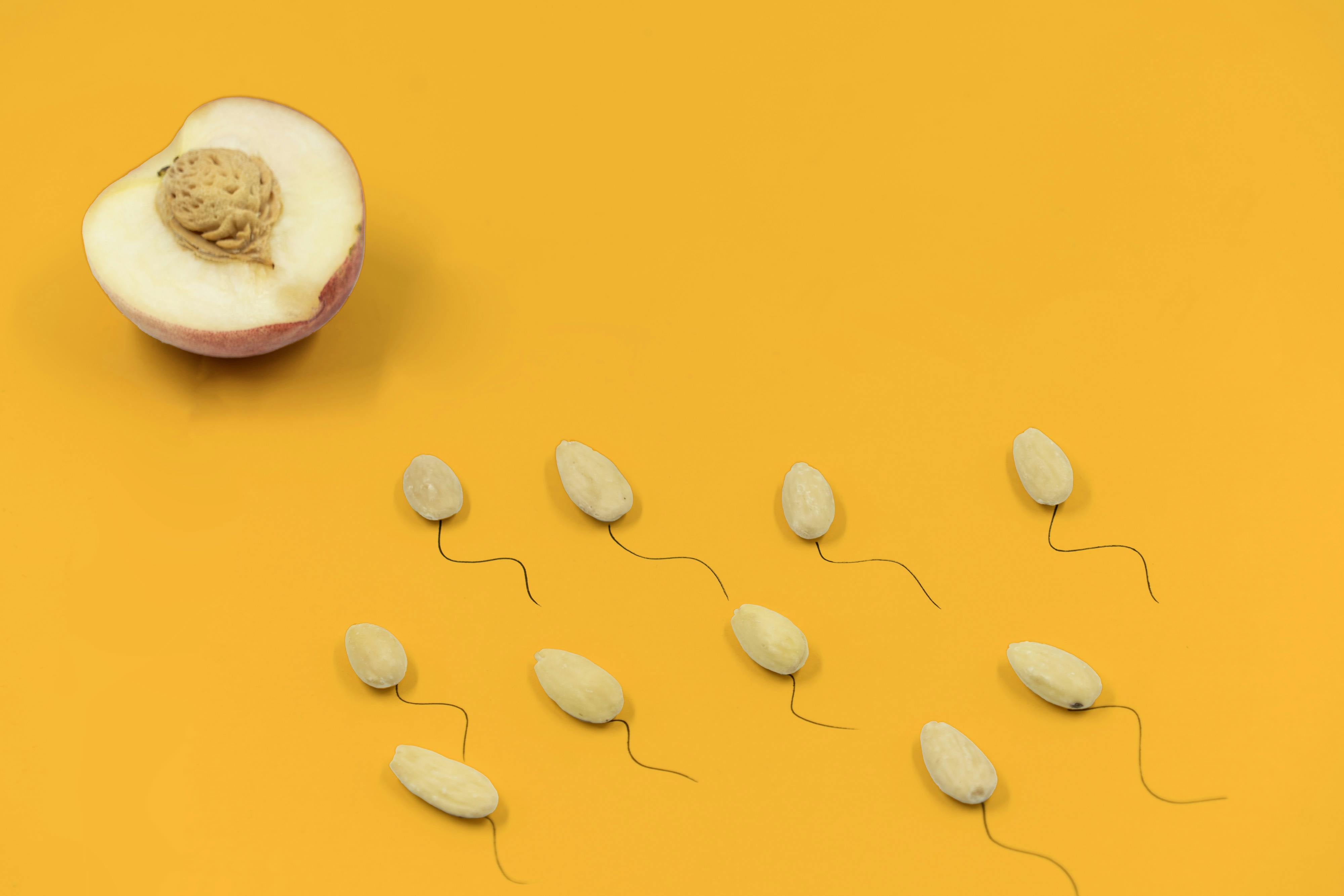
16 Proven Tips to Boost Fertility Naturally
The journey to parenthood is an exciting chapter filled with hope and anticipation. While conception can take time, there are scientifically backed strategies to naturally enhance fertility. Here are 16 effective tips to support your reproductive health and help you on the path to parenthood.
1. Load Up on Antioxidants
Antioxidants like vitamins C and E, folate, and zinc combat harmful free radicals that can damage egg and sperm cells. Boost your intake with colorful fruits, vegetables, nuts, and whole grains for optimal reproductive health.
2. Start with a Fertility-Friendly Breakfast
A hearty breakfast can positively impact hormonal levels, especially for women with polycystic ovary syndrome (PCOS). Choose balanced meals with protein, healthy fats, and complex carbohydrates to start your day right.
3. Embrace Omega-3 Fatty Acids
Omega-3s, found in fatty fish, flaxseeds, and walnuts, help regulate hormones and improve egg quality. Incorporating these into your diet can support fertility naturally.
4. Reduce Refined Carbs
Refined carbs cause blood sugar spikes, leading to hormonal imbalances that affect fertility. Replace sugary snacks with whole grains and complex carbs to stabilize insulin levels.
5. Moderate Your Carb Intake
For women with PCOS, managing carbohydrate intake can balance insulin levels and improve ovulation. Opt for slow-digesting carbs like quinoa, oats, and sweet potatoes.
6. Increase Fiber-Rich Foods
Fiber helps the body eliminate excess hormones and keeps blood sugar balanced. Incorporate high-fiber foods like legumes, vegetables, fruits, and whole grains into your daily meals.
7. Focus on Plant-Based Proteins
Replacing animal proteins with plant-based options such as beans, lentils, and nuts may reduce infertility risk. A balanced diet with diverse protein sources is key.
8. Consider Full-Fat Dairy
Studies suggest that full-fat dairy products may improve fertility. Try incorporating full-fat yogurt or milk in moderation for added benefits.
9. Take Fertility-Enhancing Vitamins
Supplements containing folate, zinc, and other essential nutrients can enhance fertility. Choose high-quality options like Supplemena PregnaluX, scientifically formulated to support reproductive health.
10. Keep Moving with Moderate Exercise
Regular exercise improves circulation and hormonal balance, which supports fertility. However, avoid excessive high-intensity workouts that can have the opposite effect.
11. Manage Stress Levels
High stress can impact ovulation and sperm quality. Practice relaxation techniques like yoga, meditation, or deep breathing to keep your mind and body aligned.
12. Limit Caffeine Consumption
Too much caffeine may negatively affect fertility. Aim to consume no more than 200 milligrams daily — roughly one 12-ounce cup of coffee.
13. Maintain a Healthy Weight
Being underweight or overweight can disrupt hormonal balance. Strive for a healthy BMI through balanced nutrition and regular physical activity.
14. Add Non-Heme Iron
Non-heme iron, found in plant-based sources like spinach, beans, and fortified cereals, is linked to better ovulation. Pair with vitamin C-rich foods to boost absorption.
15. Cut Back on Alcohol
Excessive alcohol intake is linked to lower fertility. Limit or avoid alcohol altogether when trying to conceive to increase your chances.
16. Reconsider SUPPLEMENA® Products
When it comes to fertility support, supplements tailored for reproductive health can make a difference. Supplemena’s premium range, including Fertilmas, EROSMAS for men and PregnaluX for women, offers science-backed formulations made with top-quality ingredients. These German-made supplements are vegetarian, gluten-free, and designed to support your body’s natural fertility processes.
By incorporating these tips into your lifestyle and trusting high-quality fertility supplements like Supplemena, you’ll take proactive steps toward your dream of parenthood.
Disclaimer: Always consult with a healthcare professional before making significant changes to your diet, lifestyle, or supplement regimen.